Farmers hoping for sun
Farmers hoping for sun and moderate heat after excessively wet start to growing season
June 29, 2026, 1:28 pm
Donna Beutler
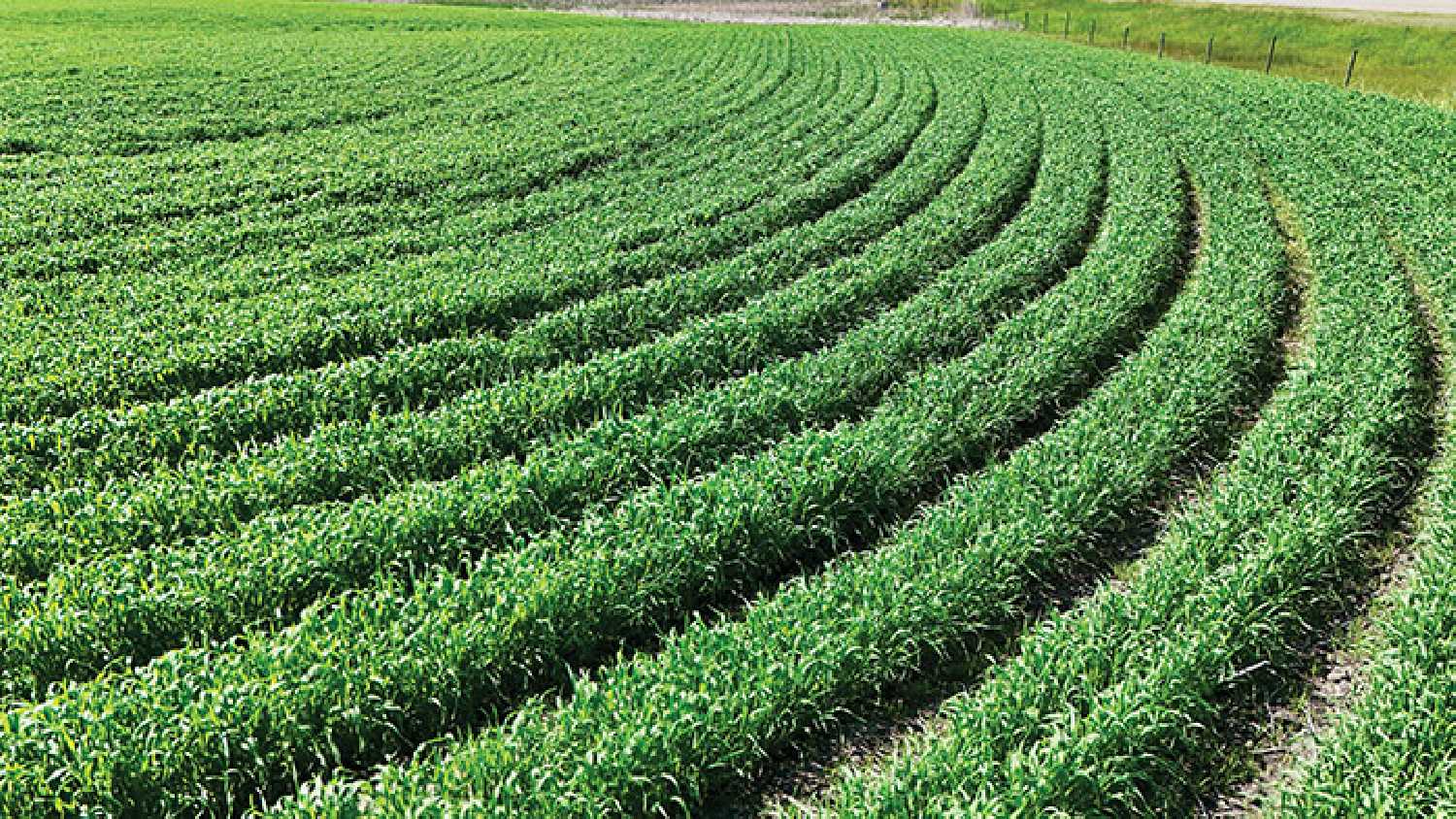

It has been a wet year so far for farmers in the area, and combined with the cooler than normal temperatures, it is providing some challenges, especially when it comes to spraying.
“The biggest challenge in June was the moisture and the biggest challenge during seeding was the cold weather,” Mark McCorriston told The World-Spectator. McCorriston is a mixed farm operator who farms in the Moosomin, Fairlight and Rocanville areas. Wheat and canola are his main crops as well as barley for the livestock operation.
“We’ve lost lots of acres due to moisture and some has yellowed off,” he said of this year’s crops. “Canola is a bit delicate to start and some acres didn’t come up. The rain has been relentless and the damage is basically done. We’ll see it when we harvest,” he added.
Spraying this year has been hard on the equipment, and along with getting stuck on occasion, it has been stressful, according to McCorriston. Some of the other stressors are the high diesel prices as well as higher input costs at the same time as grain prices are low. This all makes profit margins tight.
“We need above average yields to make the wheel turn around,” McCorriston said. “From a livestock point of view, pastures and hay crops are looking good and prices for cattle are good.”
Meanwhile, for McCorriston and others who are growing grain, it has been important to take a window of opportunity when you get it.
“I enjoy what I do,” he said, “and will keep my fingers crossed because we need an above average crop this year.”
McCorriston went on to explain that the worst thing now would be excessive heat. “The plants are rooted along the surface because of the ongoing rain,” he said. “If we get hot July and August temperatures and no moisture, the crops will burn off.”
“The cool wet weather sucks,” Darren Davis who farms north of the Whitewood told the World-Spectator. “It is way too wet at the moment,” he added, something that many farmers can relate to.
Davis, who seeds about 7,000 acres of wheat, winter wheat, barley, oats, canola and soybeans, feels that in about five per cent of the seeded acres, there is 100 per cent loss due to too much moisture. As well, he estimates another five per cent have been damaged, but says it is hard to say just yet, and it will all depend on what happens in the next week or two.
As for seeding the 2026 crop, that went really well on the Davis farm, but the challenges began when it came to spraying, especially getting it done at the right time.
“It has definitely been more challenging this year,” Davis went on to say, “but over the 25 years I have been doing this, I have never seen a drought, though I have seen it wetter than this.”
Hebert Grain, who employs upwards of 30 people during busy times, seeds about 40,000 acres in southeast Saskatchewan including the Moosomin, Fairlight, Redvers and Whitewood areas with their primary headquarters located in Moosomin and Fairlight.
According to VP of Grain Operations for Hebert Grain Ventures Jeff Warkentin, their operation has been fighting the wind and rain to try and get the spraying done but is now at about 85-90 per cent complete.
Hebert Grain Ventures produces canola, malt barley, spring wheat, yellow peas and fall rye.
“Disease is definitely going to be prevalent with all the moisture,” Warkentin told the World-Spectator. “Some acres are drowned out but that’s offset by the moisture we have,” he added.
Predicting potential yields at this point in time (end of June) is not easy to do and most farmers are hoping for good weather heading into July.
Wendy Leeds, agronomist with Sharpe’s Soil Services in Moosomin, says it’s hard to say just yet, but hopefully farmers will see average yields this year.
“The moisture is feeding the crops, but they need sunshine and not too much heat now,” Leeds said. “The roots are not deep and too much heat would hinder the crops.
She says forecasts right now predict a moderate July, temperature-wise.
“There will certainly be some loss of acres as farmers were able to seed pretty much corner to corner this year and some of those acres will be drowned out now,” she said. “I’m pretty optimistic and it’s certainly too early yet to write it off.
“June is the month of Saskatchewan’s most precipitation,” Leeds said of Environment Canada’s 30-year average. So, with June being considered the ‘rainy’ month, on average, this area is at about 120 per cent of normal.
“Where the average is about six to seven inches of rain for here, this year is more like seven to eight inches,” Leeds explained. “The ground is amazing at soaking up the moisture, but what we are missing this year is sunshine and warmth. We are definitely experiencing abnormal temperatures.”
That being said, farmers will hopefully see some warm, sunny July days. Too much heat in July will only hinder the crops, according to Leeds, because the roots are not deep. Getting rain on repeat keeps the roots shallow, so some 25 to 26 degree days would be a lot better than super hot temperatures. And with the crops flowering in July, the yield could be adversely affected if temperatures climb excessively high.
As for fungicide, this is going to be a high-fungicide year, and in order to lessen the chance of disease in this year’s crops, Leeds said airplanes are expected to be used for applying the fungicide.