Family of Karen Ireland hopes inquest leads to long-term changes
April 6, 2026, 10:55 am
Kara Kinna
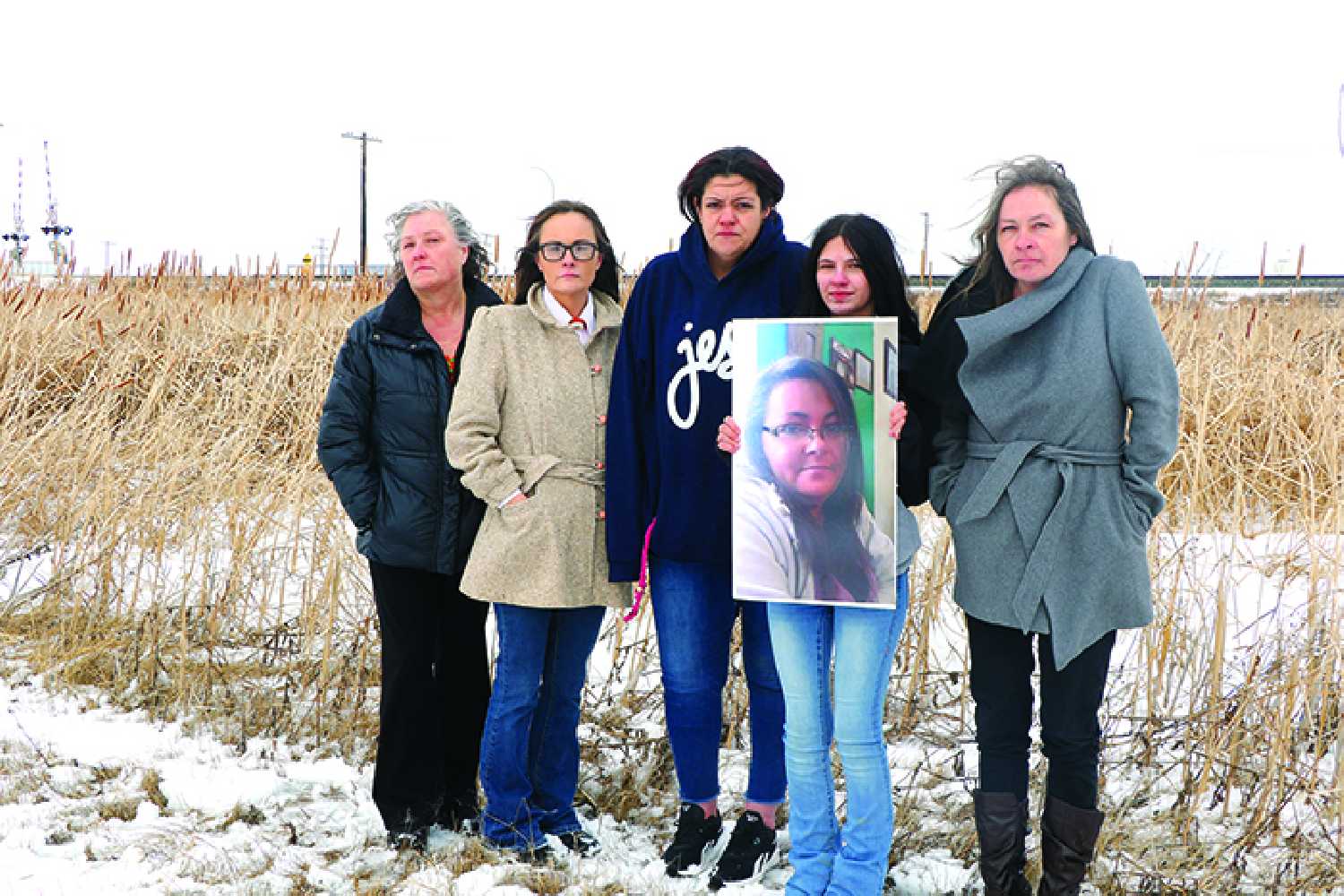

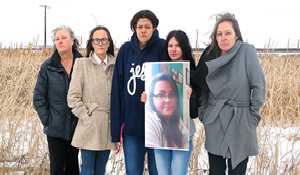
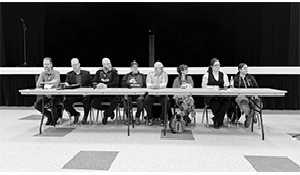
A public inquest into the death of Karen Ireland was held in Moosomin last week, and Karen’s family says it has led to a sense of closure and they hope the inquest is a catalyst for change.
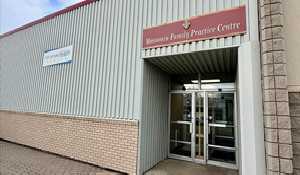
Fifty-year-old Karen Ireland was taken to the Moosomin Southeast Integrated Care Centre under the Mental Health Services Act by the RCMP on November 22, 2022.
Karen’s sister Ruth Desjarlais says Karen had bipolar disorder and they called the RCMP to have her taken into the hospital after they noticed Karen acting erratically. Ruth says Karen had a long history of mental illness, and had been in and out of the hospital for many years due to her mental illness.
Karen was admitted and spent the night at the hospital.
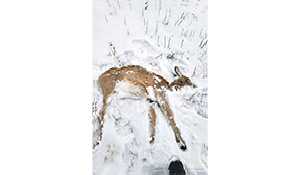
At some point the next morning, Karen left the hospital. She was last seen sitting in the front foyer at approximately 7 am by hospital staff. Staff noticed she was not in her room or outside, and contacted the RCMP. Her family filed a missing person’s report. She was found deceased on a frozen slough approximately 270 meters northeast of the hospital at 2:30 pm that same day.
After her death, Karen’s family pushed for an inquest. Ruth says that day in November 2022 was not the first time that Karen has left the hospital in Moosomin, and even though the inquest only focused on what happened that day, it was a relief to see the inquest taking place last week.
“It’s refreshing to hear the facts—things that we didn’t know. There are things that we did know, but it’s those missing pieces to the puzzle that everyone is connecting, and that has been a really refreshing feeling for me,” she said last week as the inquest was underway.”
“In a community as small as Moosomin, there is a lot of gossip and a lot of hearsay, and you don’t know if what you’re hearing is actually true. And when you’re sitting there listening to the testimonies, and you’re hearing the truth, and it confirms some of the things that we’ve actually heard are true, it shocks you. Three years ago, we didn’t know if we should actually believe some of the stuff we were hearing through community members, because we have received multiple messages and emails from community members. When you actually hear that some of that stuff is true, it’s kind of refreshing. I’m not going to go into detail on some of the things that were said, but it’s just a good feeling. You feel like there’s progress being made.”
Ruth says there have already been some small changes made at the facility in Moosomin after the death of her sister, but it’s systemic change that the family really wants to see.
“We really want to see things change in the system entirely,” she says.
“In Canada, there was a legal challenge, and it brought about change in Indigenous communities, and it’s called Jordan’s Principle,” says Tracy Stevens, a first cousin from Regina who was in Moosomin last week with her family at the inquest. “There were jurisdictional gaps between the province and the federal government in dealing with children’s needs, Indigenous children on the reserve. That court case took place, and we now have Jordan’s Principle. We would like something like this to happen in this case, and we’re proposing that it be called Karen’s Principle so that those jurisdictional gaps no longer happen, and people don’t fall through the cracks and people don’t die because there were gaps between two institutions.
“You have the health institution, and they have a jurisdiction, and it stops at the property line, and then you have the RCMP, and their jurisdiction takes over once off the health property. And between the two, she fell through the cracks because of their jurisdictional protocol.
“Being steps away from the hospital, and to be laying there for hours with everybody walking around and not finding her—it is clear that those gaps need to be filled so this never happens again. So that’s what we’re proposing, that something like this comes out of this, and if there could be that change made for people who are suffering from mental health and addictions so that this never happens again. It’s the least we can do.
“There’s a gap, and both are aware that there’s a gap. It’s not about blame—none of this is about blame. But it’s pretty clear that the hospital did, in their opinion, everything that they were obligated to do. The RCMP are saying the same thing, that they did everything that they were obligated to do, and that they followed their own protocol. And in the end, the result was tragic, and in fact, it was the family who found her footprints and led the police to her, and that to me is appalling.
“I think that this was a cascade of failures.”
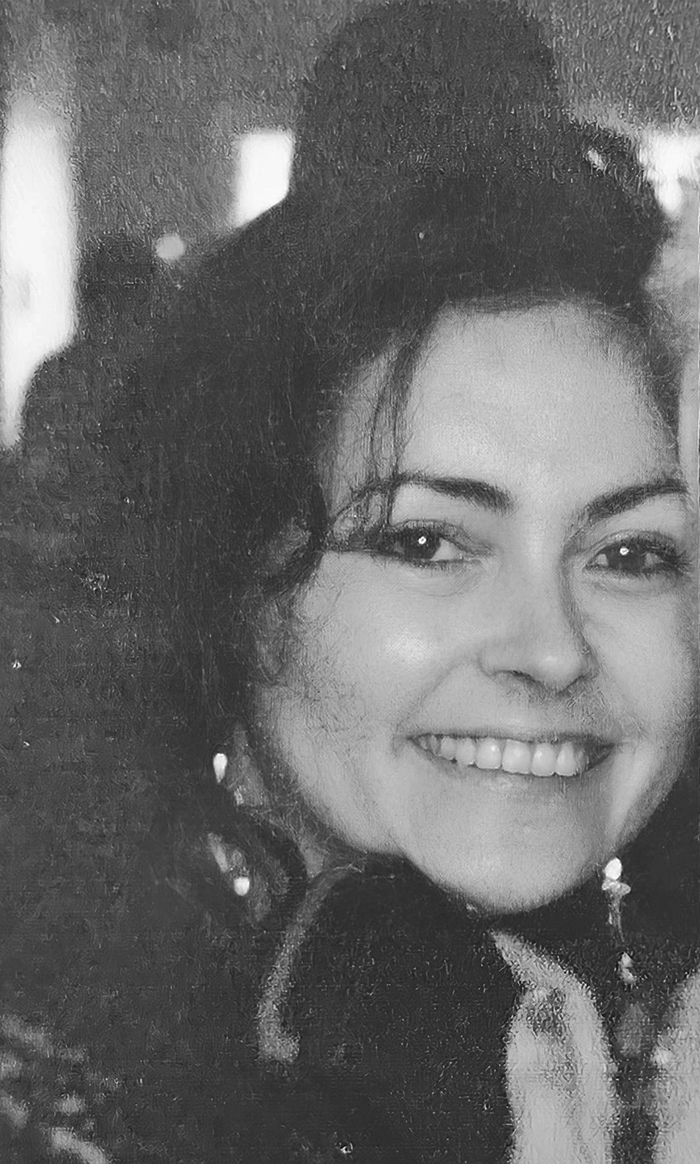
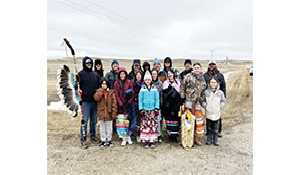
Ruth says it was her first and second cousin who found Karen’s footprints and then notified the police of where they thought she was located.
Ruth said it felt good to see the inquest taking place last week.
“We requested it in 2022 so it feels amazing. Karen did not deserve that. At the core of our hearts, we feel that she deserves answers.
“But more importantly, in my heart, people are out here every day struggling with mental illness, and we have to go through this in order for change to take place. And as hard as it is for us, there are people out there since Karen passed away who have reached out to me and have asked me, ‘What can we do to help our loved one who’s suffering right now?’ And I see a problem with that—that families are trying to help and guide other families going through it, and that’s wrong. We need resources. We need support. We need people in our community. We need to be coming together and really working towards helping people suffering. That’s what it boils down to. We need to help the people that are not well.”
“We feel that we needed to get the answers under oath,” adds Tracy. “People are under oath, and we needed the truth and we needed it all in one place. The individuals who are responsible have to be accountable and have to be truthful and we have to let the public know what actually happened. This is the one place where we’re getting all the facts all at the same time, which is good. This is something that the family had to ask for. There were no resources provided to the family to deal with this. And in order to get to the bottom of what happened to their sister, they had to push to get an inquest in order to get the answer, which they did.
“I’m grateful that this is happening because it’s going to bring some closure to the family, and it will also bring some change for everybody else.”
“It has given us closure that you can even describe. The facts are so important for us to get closure, and we now know exactly what happened,” says Ruth.
“For me, it was about fact finding, getting everything as truthful as we hoped it could be,” says Ruth’s sister Kerri-Ann Ireland. “As it went on, the solutions that we may be able to put in place became evident—things as far as protocol for a code yellow, protocol for missing persons, to call the fire department first, start at the hospital and branch out from there, then go with the family and co-operate with the family.”
The inquest wrapped up on Thursday last week, with recommendations to follow based on the information provided.
Recommendations
The jury gave the following recommendations following the inquest:
Saskatchewan Health Authority
• Exterior cameras at all entrances to hospital, and covering all main access roads and parking lots, within reason.
• 24-hour security personnel to monitor screens, with daily checks for camera date and time accuracy.
• Implement annual mandatory staff reviews and sign off sheets for new and existing procedures for emergency codes. Full staff body should be included in review.
• If possible, provide at least one registered psychiatric nurse within an area in rural regions, with the ability to travel between hospitals.
RCMP
• All personnel should have body cameras, and all police vehicles should have dash cameras and GPS recording of vehicle travel. (May already be in place.)
• All personnel should take very descriptive notes of ALL instances while on duty, to ensure accuracy of report paperwork.
• Implement mandatory annual intensive training for handling mental health cases, and supply a manual for all personnel to have on hand while on duty.
• Implement a detailed transfer form for detainees under the Mental health Act when transferring from RCMP custody to hospital care, including reason for transfer and description of behavior.
• Implement an interprovincial transfer program for RCMP members to ensure a full understanding of new jurisdiction laws and bylaws.
• Implement search and rescue policy, ensuring all police searches include both foot and vehicle searches of the immediate area, and contacting additional resources, such as fire department, other detachments and/or other relevant services, promptly.
• All phone calls within the detachment should be recorded to have on file to ensure accuracy of reports.
• File jot notes from DSA calls for a minimum time period to ensure record accuracy.
Tweet